
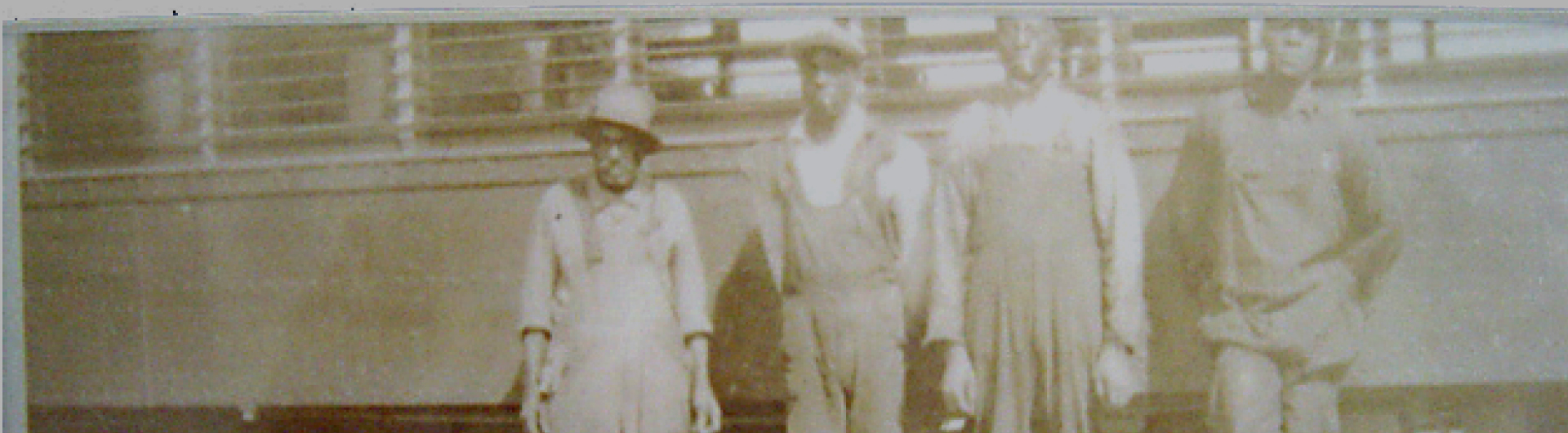
History
A Glimpse Into Burnettown's Past
Before it was known as Burnettown, the area was little more than a stretch of scrub oaks, towering pines, and tall field grass, divided by a single rutted wagon road. In 1890, Daniel Burnette purchased land along one side of that dusty roadway—an investment that would quietly shape the community’s future.
That same year, civic leaders in Aiken and Augusta formed a committee to improve transportation between the two cities. They chose to build a trolley system and began acquiring land for tracks along the proposed route. Their vision was simple but forward-thinking: as the trolley traveled through developing areas, it would stop to pick up and drop off passengers, encouraging growth along the line.
By 1901, Mr. Burnette had sold several lots to families eager to build homes. A year later, in 1902, the South Carolina Power Company’s rail system—known as the Aiken-Augusta Interurban Trolley Line—began running through the valley. Because not every stop could be printed on tickets, passengers needed a way to signal their destination. Since Mr. Burnette had sold part of his property to the rail system, riders would often ask to be let off at “Mr. Burnette’s land.” Over time, residents began referring to the area as “Burnette Town,” a name that would eventually evolve into Burnettown.
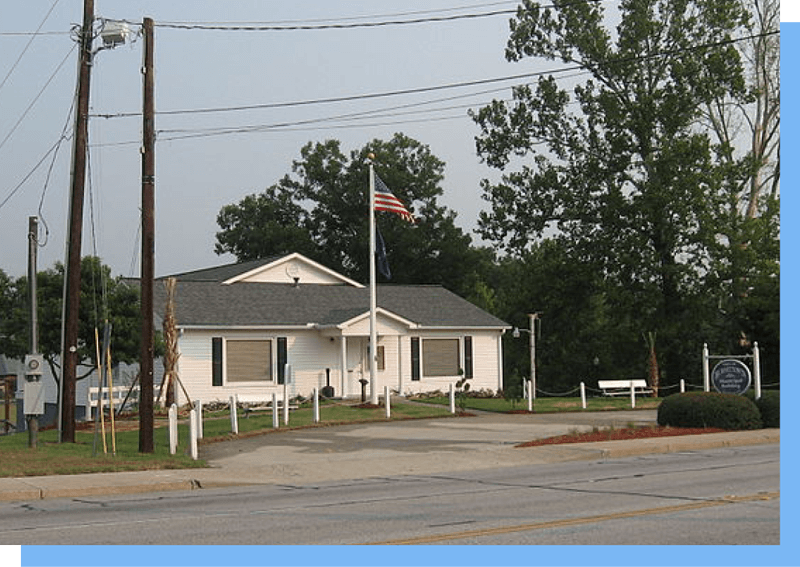
Over time, residents began referring to the area as “Burnette Town,” a name that would eventually evolve into Burnettown.
In 1929, the trolley made its final run. For many residents, its closure marked the end of an era. Automobiles were still considered a luxury, and few families owned one. Recognizing the community’s need, several enterprising men purchased cars and launched taxi services. During the late 1920s and early 1930s, taxis transported mill workers to and from their jobs for a weekly fee of $1.50 to $2.00. During off-hours, drivers earned additional income by taking residents shopping and running other errands.
As the number of taxis grew—eventually reaching about fifty—it became clear that an incorporated town was needed between Aiken and Augusta to properly license vehicles operating along the highway. Because Burnette’s property was the largest tract of land in the area not owned by a mill, it was selected as the site for incorporation. In 1941, local residents were asked to formalize the town’s status so taxis could legally pick up passengers.
On June 5, 1941, a charter was officially issued to the Town of Burnettown. George Dillon was elected as the first mayor, alongside Town Council members Dr. L. B. Royal, Lewis Everette, Randolph Patterson, and Henry Miles.
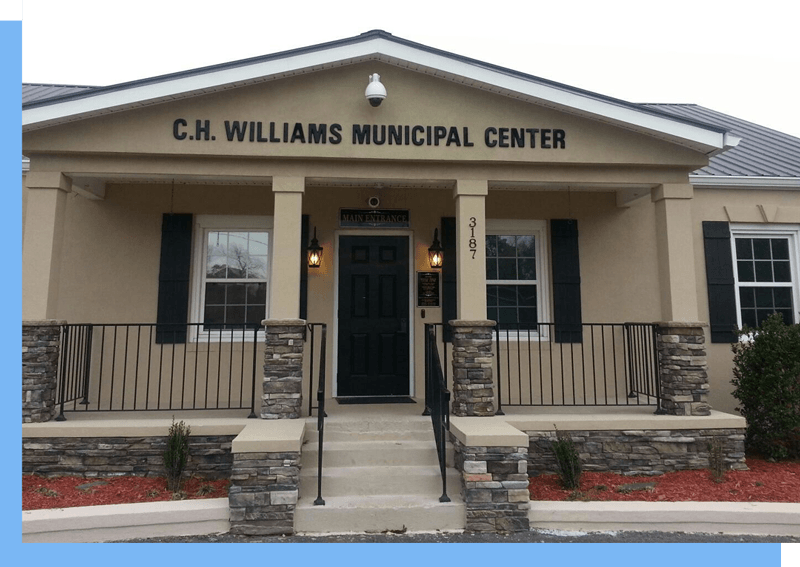
The early Town Hall and water office were located on Third Street in a building owned by Frank Garvin. Open just one day a week—from 9:00 a.m. to 5:00 p.m.—this modest office served as the center of local government, marking the humble beginnings of a growing community.
On June 5, 1941, a charter was officially issued to the Town of Burnettown. George Dillon was elected as the first mayor, alongside Town Council members Dr. L. B. Royal, Lewis Everette, Randolph Patterson, and Henry Miles.